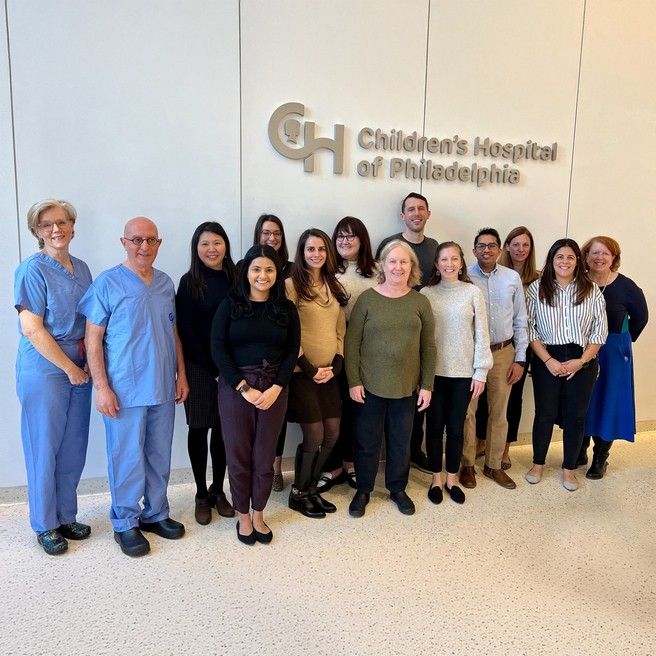
Reviewed by Jillian B. Aufseeser, RN, MSN, CPN, Nina N. Sainath, MD, Jonathan A. Berken, MD, PhD, David A. Munson, MD
Reviewed on 07/13/2026
What is necrotizing enterocolitis?
Necrotizing enterocolitis (NEC) is a serious intestinal illness that primarily affects premature and medically fragile newborns. In NEC, part of the intestine becomes inflamed and injured, which can damage the intestinal wall and, in severe cases, lead to tissue death. This injury can make it difficult for the intestine to function normally and may allow bacteria to enter the bloodstream.
NEC most often occurs during the first few weeks of life, especially in babies born prematurely, because their intestines are still developing. Symptoms can include a swollen abdomen, feeding intolerance, vomiting, bloody stools, lethargy and episodes of apnea (pauses in breathing).
Necrotizing enterocolitis is a medical emergency that requires prompt evaluation and treatment. Treatment may include stopping feedings, providing intravenous nutrition and antibiotics, and in some cases, surgery to remove damaged portions of the intestine.
While NEC can be a serious condition, advances in neonatal care have improved outcomes, and many infants recover and go on to thrive. Early recognition and specialized care are important for achieving the best possible results.
How common is necrotizing enterocolitis?
NEC is one of the most common serious intestinal diseases affecting newborns in neonatal intensive care units (NICUs). It occurs primarily in premature infants, particularly those born very early (before 28 weeks’ gestation) or with very low birth weights.
Overall, necrotizing enterocolitis develops in approximately 5-10% of very low birth weight infants (babies weighing less than 3 lbs. 5 oz., or 1,500 grams at birth). The risk is highest among the smallest and most premature babies, although NEC can occasionally occur in full-term infants with certain medical conditions.
In the United States, thousands of infants are diagnosed with NEC each year. While advances in neonatal care have reduced the risk for many babies, NEC remains an important cause of illness in premature infants and continues to be an active area of research and quality improvement in NICUs.
Parents should remember that most premature infants do not develop NEC, and NICU teams take many steps to help reduce the risk, including careful feeding practices and promoting the use of human milk for feeding whenever possible.
Who is affected by necrotizing enterocolitis?
Necrotizing enterocolitis most commonly affects premature babies, especially those born very early or with very low birth weights. Because their intestines and immune systems are still developing, premature babies are more vulnerable to intestinal injury and inflammation.
Although NEC is most often seen in premature infants, it can also occur in full-term babies with certain medical conditions, such as congenital heart disease or conditions that affect blood flow or oxygen delivery to the intestines.
Researchers are still working to understand exactly why NEC develops, but prematurity remains the single greatest risk factor for the disease.
What are the types of necrotizing enterocolitis?
There is no single universally accepted classification system for necrotizing enterocolitis. However, healthcare providers often describe NEC based on when it occurs and which infants are affected.
The types include:
- Prematurity-associated NEC: Most NEC cases occur in premature infants, particularly those born very early or with very low birth weights. This is the most common form of NEC and typically develops during the first several weeks of life.
- NEC in full-term infants: Although less common, NEC can also occur in full-term newborns. These infants often have underlying medical conditions that affect blood flow, oxygen delivery, or intestinal health, such as congenital heart disease or certain congenital abnormalities.
- Early-onset and late-onset NEC: NEC can also be described by when symptoms develop. Some infants develop NEC within the first days of life, while others develop it weeks after birth. The timing often depends on factors such as gestational age, birth weight and underlying medical conditions.
- NEC associated with intestinal injury or infection: In some cases, NEC may develop in association with an intestinal injury, abnormal blood flow or severe infection. Researchers continue to study the complex factors that contribute to the disease.
In addition, healthcare providers use a staging system called the Bell staging criteria to classify NEC as mild, moderate or severe based on symptoms, physical examination findings, laboratory tests and imaging studies. This staging system helps guide treatment and monitor disease progression.
Why is necrotizing enterocolitis a concern?
Necrotizing enterocolitis is a serious condition because it can damage the intestinal wall and lead to potentially life-threatening complications. As the intestine becomes inflamed and injured, the damage may be limited to a small area or affect larger portions of the bowel.
In severe cases, the injured intestine can develop a hole (perforation). This allows bacteria that are normally present inside the intestine to leak into the abdomen or bloodstream, causing a serious infection. Because premature and medically fragile infants have immune systems that have not fully developed, they can become very ill in a short period of time.
NEC requires prompt medical attention and may be treated with antibiotics, intravenous nutrition, and sometimes surgery. Possible complications of NEC include:
- A hole (perforation) in the intestine
- Serious infection of the abdomen or bloodstream
- Scarring or narrowing of the intestine (intestinal strictures)
- Difficulty absorbing nutrients if portions of the intestine must be surgically removed
- Growth and feeding challenges that may require ongoing medical care
Although NEC can be a serious illness, many infants recover successfully with early recognition and specialized treatment. Advances in neonatal care continue to improve outcomes for babies affected by NEC.
What are the symptoms of necrotizing enterocolitis?
The symptoms of NEC can vary from baby to baby and may develop gradually or appear suddenly. Necrotizing enterocolitis most often occurs during the first weeks of life, particularly in premature infants.
Common signs and symptoms of NEC include:
- A swollen, bloated or firm abdomen
- Difficulty tolerating feedings
- Vomiting, especially green (bile-stained) vomit
- Increased stomach residuals (milk remaining in the stomach between feedings)
- Bloody stools
- Decreased activity or unusual sleepiness (lethargy)
- Episodes of apnea (pauses in breathing)
- A slow heart rate (bradycardia)
- Temperature instability
- Signs of infection or overall worsening illness
Because NEC can progress rapidly, any concerning symptoms should be evaluated promptly by a healthcare provider. In many cases, the earliest signs can be subtle, which is why infants at risk for NEC are monitored closely by their healthcare team. Early recognition and treatment are important to help prevent serious complications.
The symptoms of necrotizing enterocolitis may resemble other digestive conditions or medical problems. Always consult your child’s doctor for a diagnosis.
What causes necrotizing enterocolitis?
The exact cause of NEC is not fully understood. Researchers believe that necrotizing enterocolitis develops when several factors come together, including intestinal immaturity, inflammation, changes in the bacteria that normally live in the intestine, and injury to the intestinal lining.
Premature infants are at the highest risk because their intestines are still developing and may be more vulnerable to inflammation and injury. In some babies, reduced blood flow or oxygen delivery to the intestine may also contribute to intestinal damage.
As the intestinal lining becomes injured, bacteria that normally live inside the intestine can cross into the intestinal wall and surrounding tissues. This can trigger inflammation and infection, leading to further damage. In severe cases, a hole (perforation) can develop in the intestine, allowing bacteria to spread into the abdomen or bloodstream.
Although researchers continue to study why NEC occurs, prematurity remains the single greatest risk factor for the disease.
How is necrotizing enterocolitis diagnosed?
Necrotizing enterocolitis is diagnosed based on a combination of a baby’s symptoms, a physical examination and medical tests. Because NEC can progress quickly, doctors often begin treatment as soon as they suspect the condition.
To help confirm the diagnosis, the care team may use:
- Abdominal X-rays: These images can show signs of NEC, such as gas in the intestinal wall or abnormal air in the abdomen. In more severe cases, an X-ray may show air outside the intestines, which can indicate a hole (perforation).
- Blood tests: These may show signs of infection or inflammation and can help assess how well the baby is tolerating the illness.
- Stool tests (in some cases): These may be used to check for blood in the stool or rule out other causes of symptoms.
NEC is often diagnosed based on a pattern of symptoms combined with these test results rather than a single definitive test. Because early signs can be subtle, babies in the NICU are closely monitored so NEC can be recognized and treated as early as possible.
What is the treatment for necrotizing enterocolitis?
Treatment for necrotizing enterocolitis depends on the severity of the illness and the baby’s overall condition. Infants with suspected or confirmed NEC are closely monitored and cared for by a specialized neonatal care team. At Children's Hospital of Philadelphia, patients suspected to have NEC are evaluated and treated by physicians and staff in the Division of Gastroenterology (GI), Hepatology and Nutrition.
Individualized treatment for your child will be based on:
- Your baby’s gestational age, their overall health and medical history
- The severity of their disease
- Your baby’s ability to tolerate specific medications, procedures or therapies
- What we expect about your child’s disease or treatment
- Your family’s opinion or preference
Treatment may include medical options or surgery.
Medical (non-surgical) treatment
Many infants with NEC are treated without surgery. Medical treatment may include:
- Temporarily stopping feedings to allow the intestines to rest
- Placement of a nasogastric (NG) tube to remove air and fluid from the stomach (See our FAQs about NG tube feeds.)
- Intravenous (IV) fluids and nutrition (total parenteral nutrition, or TPN)
- Antibiotics to treat or prevent infection
- Close monitoring with frequent exams, blood tests and abdominal X-rays
- Respiratory support, if needed, when abdominal swelling affects breathing
Surgical treatment
If NEC becomes severe or complications develop, surgery may be necessary. Surgery may include:
- Removing damaged or dead sections of the intestine
- Creating a temporary opening in the abdomen (ostomy) to allow the intestine to heal
- In some cases, placing a drain in the abdomen if surgery is not immediately possible
The care team continuously evaluates each infant to determine the best treatment approach and to adjust care as the baby’s condition changes.
When should my child see a healthcare provider after treatment for necrotizing enterocolitis?
After treatment for necrotizing enterocolitis, your baby will need close follow-up care to monitor growth, feeding and digestive health. Infants are followed by a team that may include neonatologists, pediatric gastroenterologists and nutrition specialists.
Regular follow-up visits are important to ensure your child is growing well, tolerating feedings and recovering appropriately after their illness. Some babies – especially those who needed surgery – may need ongoing support for nutrition and intestinal function.
Contact your child’s healthcare provider if your baby develops:
- Poor feeding or feeding intolerance
- Vomiting, especially green (bilious) vomit
- Bloated or firm abdomen
- Blood in the stool
- Poor weight gain or difficulty growing
- Unusual sleepiness, irritability or low activity
- Signs of dehydration (such as fewer wet diapers)
Most infants recover well from NEC, but some may need longer-term monitoring to support digestion, growth and development. Your child’s care team will tailor follow-up based on the severity of the illness and whether surgery was required.
What is the prognosis for babies with necrotizing enterocolitis?
The prognosis for babies with NEC varies depending on how severe the condition is, how quickly NEC progresses, and whether surgery is needed.
Many infants with milder forms of NEC recover with medical treatment and do not have long-term feeding or digestive problems. These babies often go on to feed, grow and develop typically with appropriate follow-up care.
However, infants with more severe NEC – especially those who require surgery – are at higher risk for complications. These may include narrowing of the intestine (intestinal strictures), a bowel obstruction, and other surgical complications.
Children who have had some portion of their small intestine removed may have challenges absorbing nutrients. Children who have a large portion of the small intestine removed may develop short bowel syndrome, a condition in which the remaining intestine has difficulty absorbing enough nutrients for the child to grow well. At CHOP, these children may be referred to our Intestinal Rehabilitation Program (IRP), which is dedicated to delivering complex nutritional and medical/surgical management to pediatric patients with short or malformed intestines.
In the most severe cases, NEC can be life-threatening, and some infants do not survive despite intensive medical and surgical care.
With advances in neonatal, surgical and gastrointestinal care, outcomes for infants with NEC continue to improve, and many children go on to thrive with appropriate treatment and follow-up.
How can you prevent necrotizing enterocolitis?
Because the exact cause of NEC is not fully understood, there is no guaranteed way to prevent it. However, research has identified several strategies that may help reduce the risk, especially in premature infants.
One of the most important protective factors is human milk feeding. Babies who receive breast milk (or donor human milk when needed) are less likely to develop NEC compared with those who receive formula. Human milk supports healthy gut development and helps protect against inflammation and infection.
Other care practices that may help lower risk of developing NEC include:
- Starting feedings only when a baby is medically stable
- Advancing feedings slowly and carefully based on the baby’s tolerance
- Close monitoring for early signs of feeding intolerance or illness
- Providing standardized feeding protocols in the NICU to support consistent care
Even with these precautions, some infants may still develop NEC, particularly those born very prematurely or with other medical conditions. For this reason, NICU teams monitor at-risk babies closely so NEC can be recognized and treated as early as possible.
Resources to help
Intestinal Rehabilitation Program Resources
As part of our ongoing commitment to our patients, we offer access to a variety of additional resources intended to support families caring for children with intestinal conditions, especially those requiring special nutrition and feeding needs.