Professionalism
Residency is a time to learn about diseases, pathophysiology and treatments. It is also a time to learn about professionalism and to develop the tools and skills needed to approach patients, families, colleagues and co-workers in a caring, compassionate and professional way.
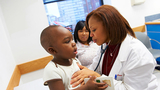
A professional approach to our duties and careers allows us to conduct ourselves in a way in which we will be most effective in working with others. We all wish to practice with the utmost in professionalism, but this doesn’t just happen. Through both a formal professionalism curriculum and exposure to the role models they work with, residents are provided appropriate input to guide their professional development.
A dedicated and comprehensive professionalism seminar series occurs once a month in place of a morning conference. Each resident is assigned to a small group made up of a mixture of PL1, PL2, and PL3 physicians and faculty members. Groups remain stable across the three years of residency. The faculty members facilitating the sessions help each resident sort through and set their professionalism compass. The group meets monthly to discuss issues surrounding professionalism. The discussions are lively and have included topics like:
- Honesty
- Confidentiality
- Patient relationships
- Cultural understanding
- Intra-staff relationships
- Interactions with the pharmaceutical industry
- Research ethics
- Work-home life balance
- Deviations from professional standards
- How to maintain professionalism beyond residency
In our first session of the academic year, we ask the question, “What is professionalism?” and explore barriers to professionalism and ways that professionalism is promoted among young physicians. The conversations that ensue address a wide range of issues that residents deal with on a daily basis – from what it means to introduce yourself as “doctor,” to maintaining an even keel while dealing with stress and long hours. Additional sessions deal with a wide variety of topics based on a syllabus from the American Board of Pediatrics and the Association of Pediatric Program Directors, as well as topics and reflections from residents and faculty alike.
The feedback from faculty and residents has been that this was a tremendous way to build supportive relationships across years of training and a great forum in which to discuss tough issues and learn from one another. This is another example of the depth of personal professional resources that you can seek to tap into when you arrive at CHOP.